
Day businesses do not rely only on online methods to carry out their business activity. Modern day businesses also need kinds of software and outside help to run their operations. However, day businesses can find it hard to manage all these ways of doing business.
That is where the API economy comes in to change the way organisation’s function.
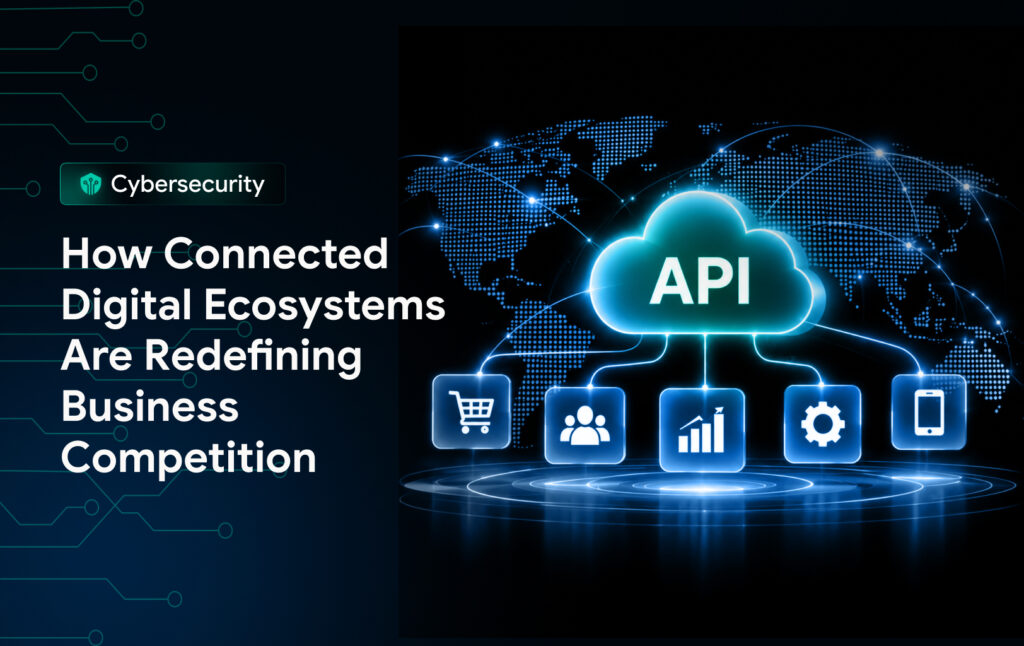
APIs let different software programs talk to each share data. APIs also help connect business systems. This saves a lot of time, because companies do not have to build every feature themselves; they can simply plug into their existing systems. Use third-party technology. To this day, the popularity of APIs keeps growing. Because of APIs organizations can change how they innovate and compete in the market. With APIs, they can now work with solutions, which opens the door to new products and services.
This blog will give you a better understanding of what the API economy is and how digital ecosystems operate.
What Is the API Economy?
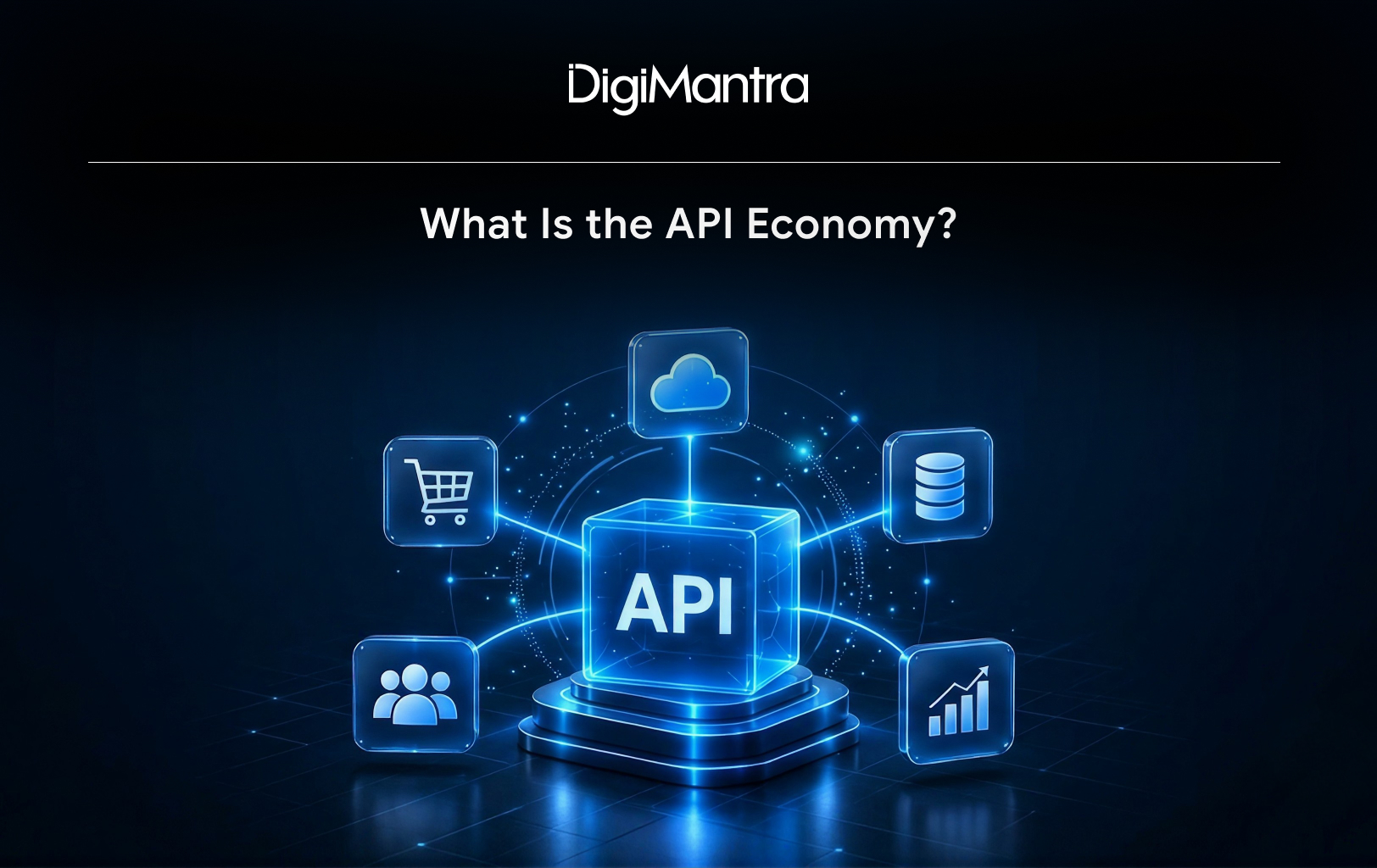
The term API economy denotes a business environment where companies use APIs to link software programs, distribute digital competencies, and provide new offerings.
An API is a medium of interaction between two computer applications according to agreed-upon protocols and requests, thus allowing one system, based on an API, to obtain data or functionality of another system without direct access to its internal software or technical operation.
Take the example of an online shopping platform. When an order is placed by a customer, various systems work in tandem in the following manner:
- The payment gateway handles the billing and payment processes.
- The inventory management system checks the availability of items.
- The logistics system arranges for the shipment of the ordered product.
- The notification service sends notifications regarding the status of the order.
- The customer relationship management system holds the record of all customer exchanges.
APIs enable these systems to exchange data between platforms without having to require employees to manage all the functions by hand.
The API economy takes the concept a step further by allowing the creation of integrated digital ecosystems that see various tools, services, partners, etc., working together.
Why Are Connected Digital Ecosystems Becoming Important for Businesses?
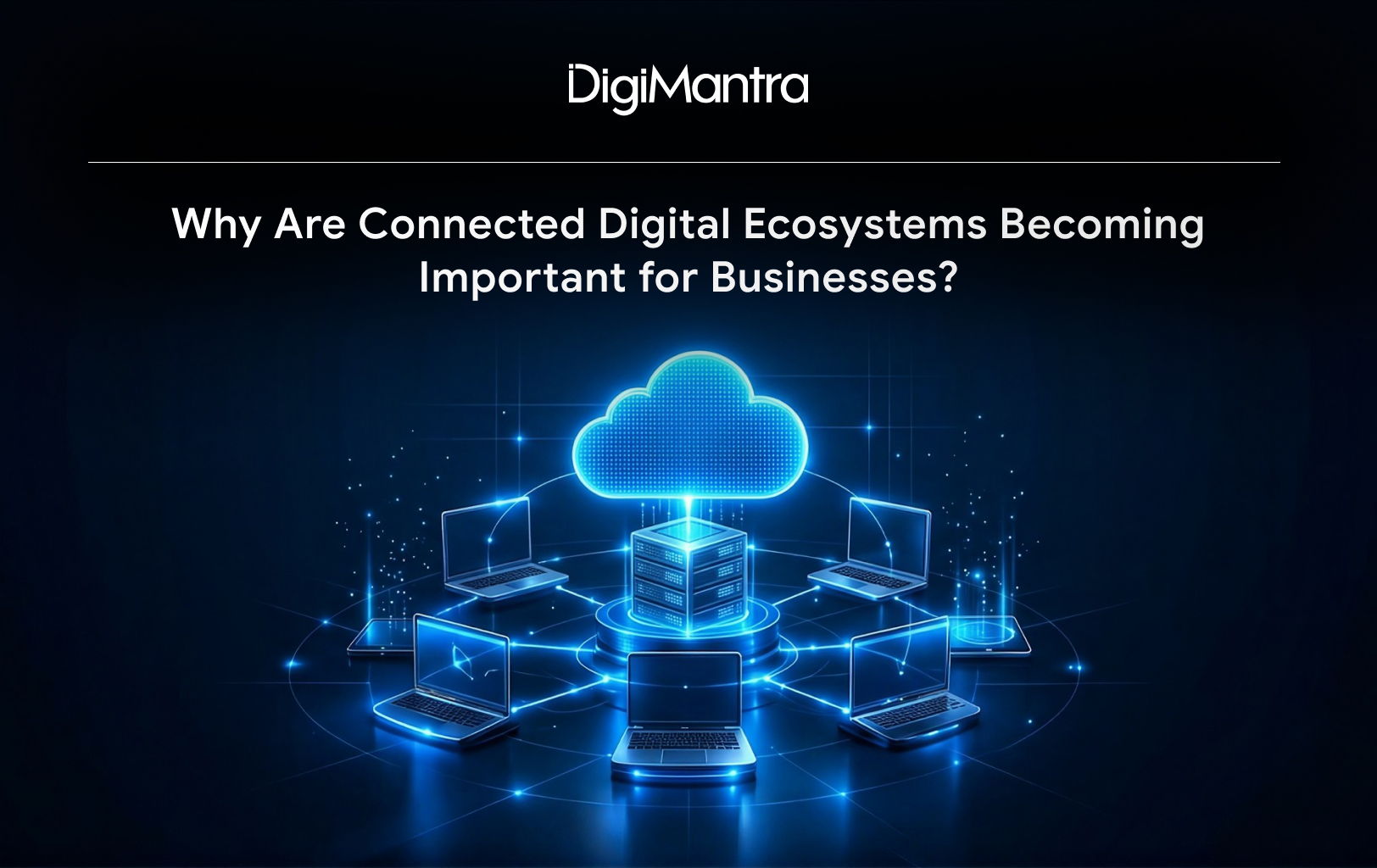
Classic management systems were generally created to conduct necessary tasks in the respective departments. It is apparent that although these systems were able to fulfill their initial functions at times, they brought about information gaps at the time when businesses required seamless communication among different operations.
Today’s companies need to have a speedy exchange of information, connected customer experiences, and flexible technological solutions implemented in their organizations.
Connected digital ecosystems help satisfy these needs.
1. Better Integration Between Business Systems
Companies frequently rely on various systems for functions like accounting, customer management, inventory, marketing and communication. These require considerable manual intervention for passing across information.
API integration allows transfer of data from one system to another without the need for any human intervention.
Through this integration, if a customer sends an enquiry through the website, the API transfers the information to the CRM which lets the sales team access the query without entering the information manually in the system.
This helps greatly reduce information redundancy and accomplish uniformity throughout different business activities.
2. Quickening Digital Progress
Building every software component from scratch may take many hours to develop and a lot of resources.
API technology helps companies utilize existing services and technologies instead of creating them from scratch.
For example, a company building a digital marketplace can get payment processing capabilities by integrating existing APIs with location services and messaging tools. All this gives developers more time to work on creating something special instead of duplicating others’ work.
3. Enhancement of Client Experiences
Clients anticipate that online services will operate seamlessly on various devices and platforms.
Connected environments allow for the creation of a consistent experience, applications can share relevant information.
For instance, an ecommerce shopper may look for products on a website, buy goods with a mobile app, and get updates on delivery via a notification service.
When complementary systems integrate properly, clients enjoy a smoother experience. The quality of experience is also a function of the degree to which interface and navigation are consistent and accessible.
4. Enhanced Flexibility in Business Operations
As businesses grow and expand their operations, make changes to existing products or services, and enter new markets, the requirements for business operations change.
With API architecture, businesses can modify their services without needing to modify their technology platforms. For example, a company may integrate a new payment processor or add another business application, thereby keeping their existing systems intact.
This flexibility allows businesses to respond to their changing requirements and the trend in technology.
How Does the API Economy Create New Business Opportunities?
The API economy is more capable of just connecting applications. It also provides opportunities for firms to launch new products, collaborations and revenue infrastructures.
Some important ways where businesses can take advantage:
1. Formation of Platform-Oriented Business Models
Companies can apply APIs to link consumers, service providers, suppliers, and external developers within one platform.
For example, a marketplace can connect sellers, customers, payment processors, and delivery service companies which lead to participate in the overall life of the platform.
Such conditions make it possible for a company to enhance its offer without controlling all components by itself.
2. Building Partner Ecosystems
Organizations can connect with partners using APIs. For instance, a FinTech organization may introduce payment APIs that can be leveraged by other companies.
Moreover, a retail organization may link its inventory and order management systems with logistics partners for efficient delivery.
3. Developing Revenue Models Based on APIs
There are companies that market APIs as part of their service offerings. In this case, developers / partners can use specific functions via subscription, pay-per-use or some commercial model.
4. Aiding Data-Driven Decision Making
Connected applications can provide relevant business information to different operational units.
However, companies should implement proper access control and data governance mechanisms to assure that the information is shared responsibly.
Key Technologies Powering Connected Digital Ecosystems
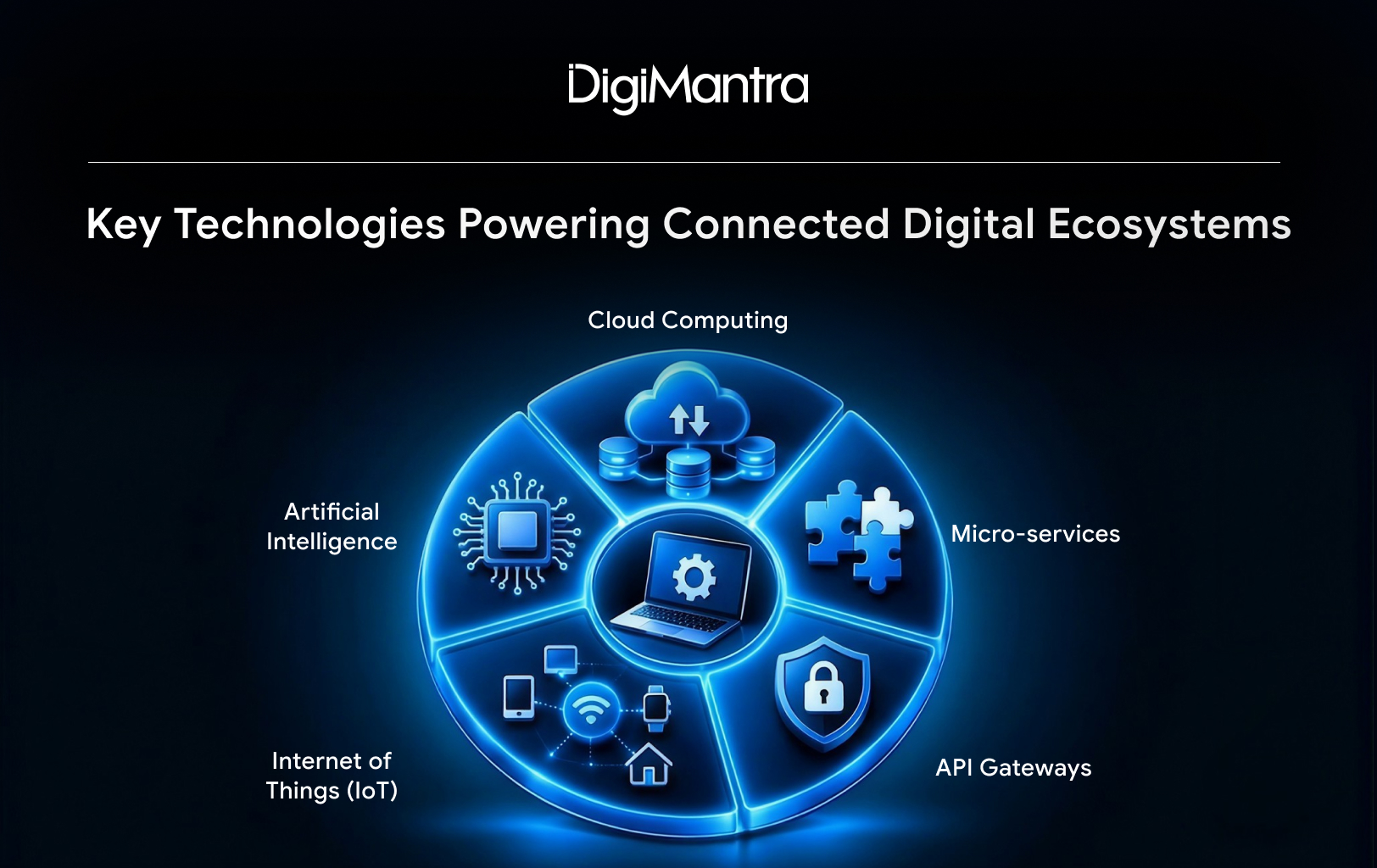
The API economy works with multiple technologies that allow businesses to build, manage and scale with multi-connected platforms.
1. Cloud Computing
The infrastructure of any organisation may now depend on cloud services, which also enhances data management and API-based communication.
2. Micro-services
Microservices make applications to split into more manageable independent services. Every service performs a particular business operation and communicates with other services via APIs.
3. API Gateways
API gateways serve as the initial point of contact for any requests made through APIs by managing authentication, routing and monitoring of requests.
4. Artificial Intelligence
Similarly, AI solutions use APIs for exploring data sources, cooperation via ERM systems or automating business processes. For instance, an AI-based system may seek order data from an ecommerce database through an API and generate an answer to the client’s inquiry.
5. Internet of Things (IoT)
Devices connected to the internet, which form the foundation of the Internet of Things, produce information that can be communicated to other software programs via the use of APIs.
In manufacturing settings, for instance connected machinery can transmit operating information to monitoring systems. Such information can help with planning maintenance, monitoring equipment and having visibility into
How Can Businesses Build an Effective API Strategy?
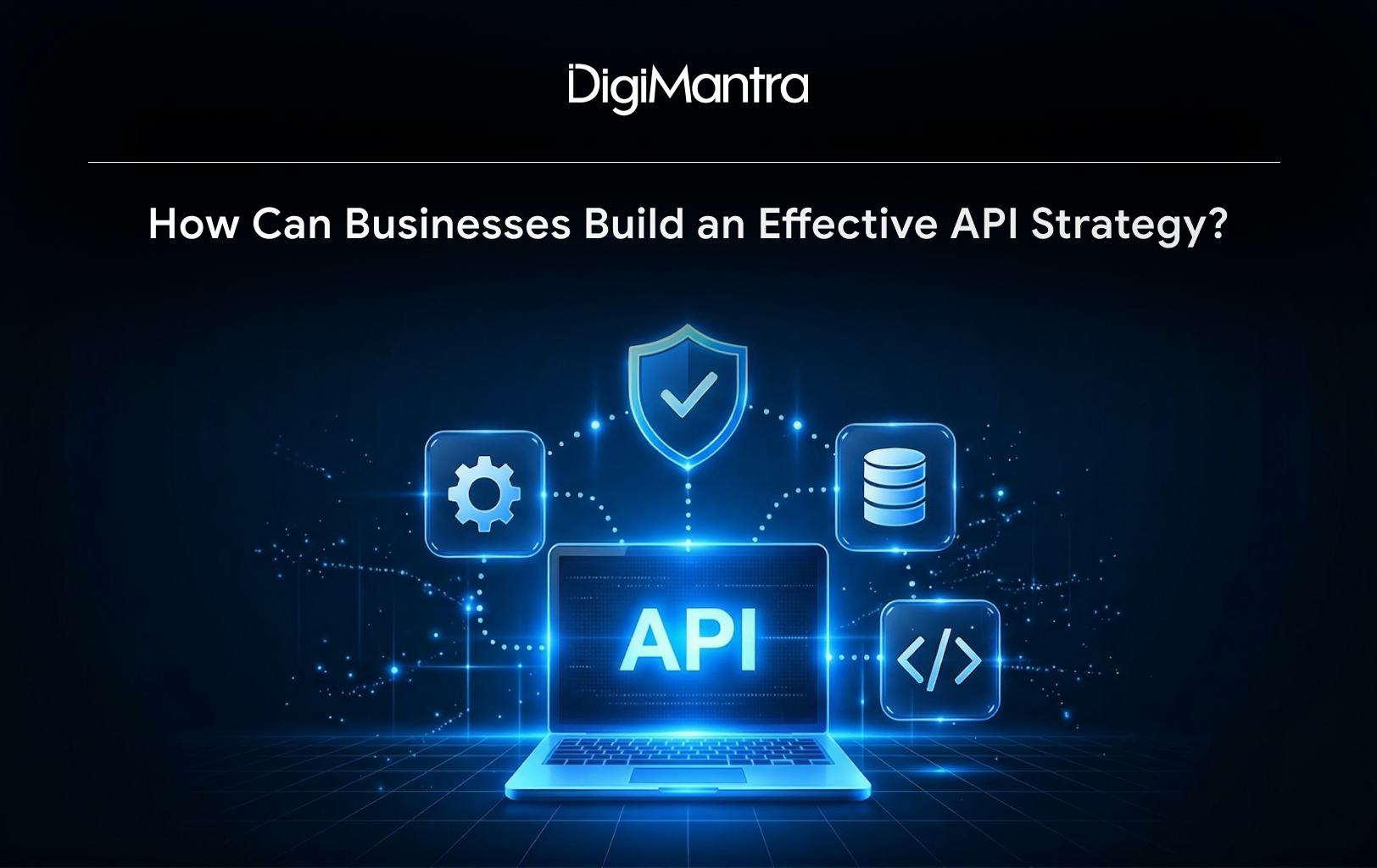
To form a connected digital ecosystem is supposed to go beyond simply combining applications. Companies need a strategy to combine technical choices with long-term goals.
Below are steps that will help any organisation implement an API strategy properly.
1. Identify Business Integration Requirements
The first step is to understand how the applications that they already have interact as well as which gaps in information exist.
The organisations must find out which applications need to integrate, which tasks appear to be repetitive, and which areas can benefit from better information flow.
2. The Concept of API-First Architecture
An API-first design lays emphasis on the means through which the applications will communicate before innovation takes place.
This contributes to consistent interfaces, documentation, and integration practices within the application development.
3. Most Suitable Tech Infrastructure
Business representatives should look through their existing applications databases, cloud infrastructure, etc.
The architecture should meet the present demands and allow for growth.
4. Give Importance to Security and Governance
Security should be kept in mind on every step of the API development lifecycle. Organisations must come up with access policies, authentication methods, monitoring processes, and documentation levels.
Regular checks can point out weaknesses and help with checking if integrations are working according to the business and compliance regulations.
Frequently Asked Questions

AI-FIRST ENGINEERING FOR MODERN BUSINESSES
Designed for performance. Powered by innovation.
 Product Development
- Custom Software
 Mobile & Web
- AI & Automation
- Cloud Management
- Intelligent Systems