




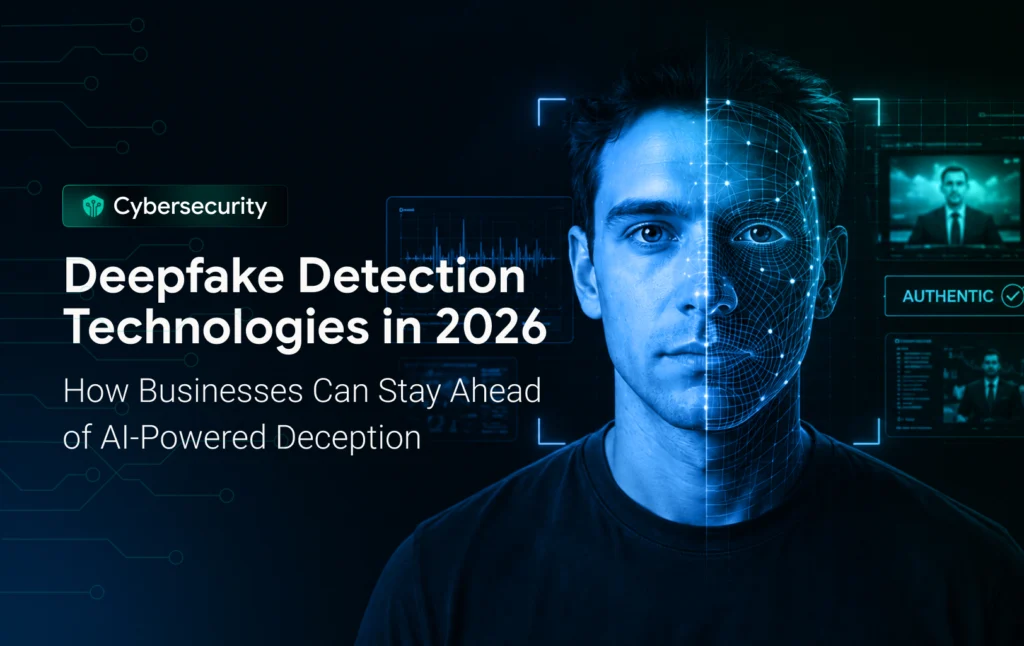
Artificial Intelligence has changed the way we make share, and experience digital content. Now, we can create videos, voices tec, and even realistic-looking characters using AI. This technology has made content creation easier for more people than ever before. However, along with these new possibilities comes a growing problem, the rise of deepfakes.
In 2026, deepfakes are not just limited to viral videos or fake celebrity appearances anymore. They are now being used by business, governments, financial institutions, and media groups to create highly realistic AI-generated content that can trick people, spread false information, or carry out scams. As AI models get better at creating fake media, it’s getting harder to tell real content from fake stuff.
The rising risk of deepfakes has pushed companies to develop more advanced detection tools. Now, organisations are spending money on AI-based systems, digital verification methods, and forensic tools to keep digital trust safe and protect against security threats.
In this article, we will look to how deepfake technology has changed over time, the challenges organisations are dealing with in 2026, and the detection methods helping business fight against AI-based deception.
What are Deepfakes?
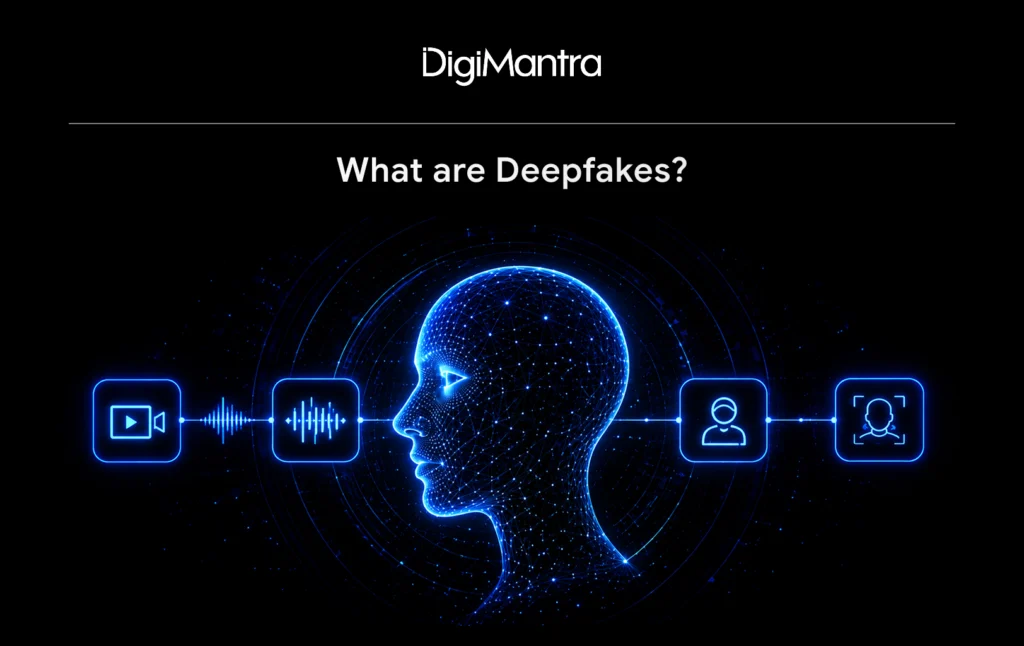
Deepfakes are types of media made using advanced artificial intelligence, especially deep learning and generative AI. These tools can create any realistic images, videos, audio and even digital avatars that look and act like real people. Today’s deepfake systems can:
- Make facial expressions that are almost perfect copies.
- Copy someone’s voice from just a little bit of audio.
- Make videos where someone’s lip move in sync with their words.
- Allow real-time interactions using AI-generated videos.
What used to need a lot of technical knowledge can now be done with easy-to-use AI tools. This makes making deepfakes quicker, less expensive, and easier for more people.
Why Deepfakes are Bigger Threat in 2026?
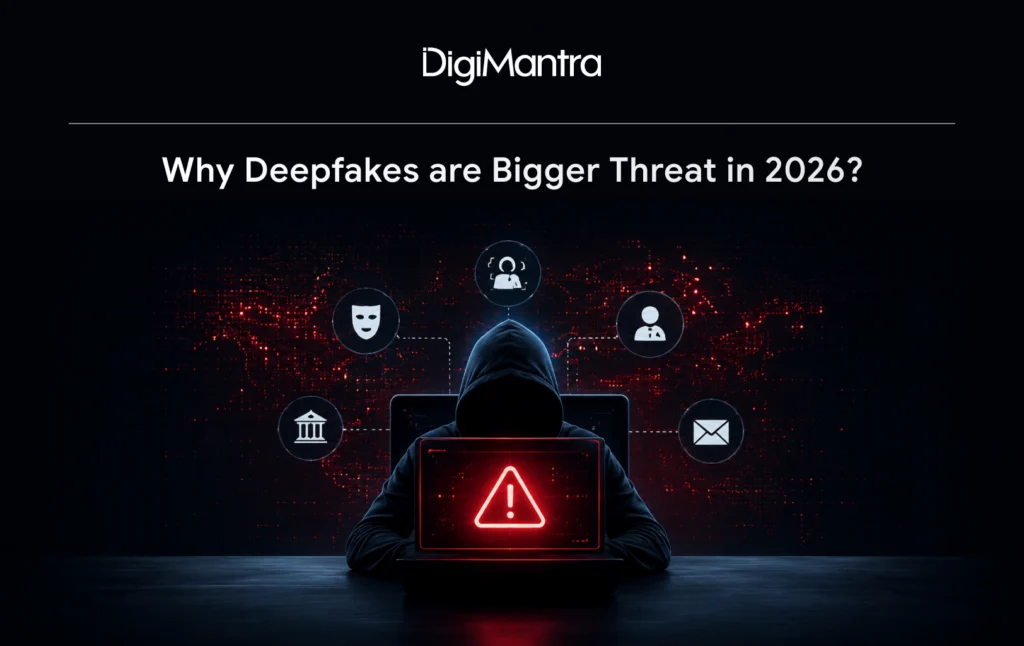
The real issue is not just that deepfakes exist, it’s that they are getting much harder to spot. Several factors are making the problem worse:
More Powerful Generative AI Tools
As generative AI continues to evolve, businesses are also adopting Generative AI Development Services to build smarter applications, automate processes, and create AI-powered experiences. However, organisations must also consider the security risks associated with these technologies, including the potential misuse of AI for creating sophisticated deepfakes and impersonation attacks. New types of AI can create video, audio and text at the same time, making fake content look and sound almost real with fewer signs that it is not real.
Live Deepfake Creation
People can now make fake videos and voices on the spot during online meetings, customer calls, or when verifying someone’s identity.
High Cybersecurity Risks
Deepfakes are being used for a wide range of malicious and deceptive purposes, creating serious risks for individuals, businesses, and society. They can be used to impersonate people, manipulate information, commit fraud, and influence how others perceive events or individuals. Some common uses include:
- Pretending to be company leaders in scams.
- Stealing money through fraud.
- Taking over someone’s identity.
- Manipulating people through social engineering.
- Spreading false information within companies.
- Influencing political decisions.
- Making people lose trust in digital information.
As it becomes harder to tell real content from fake, businesses are struggling to keep their digital communication safe and reliable.
The Evolution of Deepfake Detection Technologies
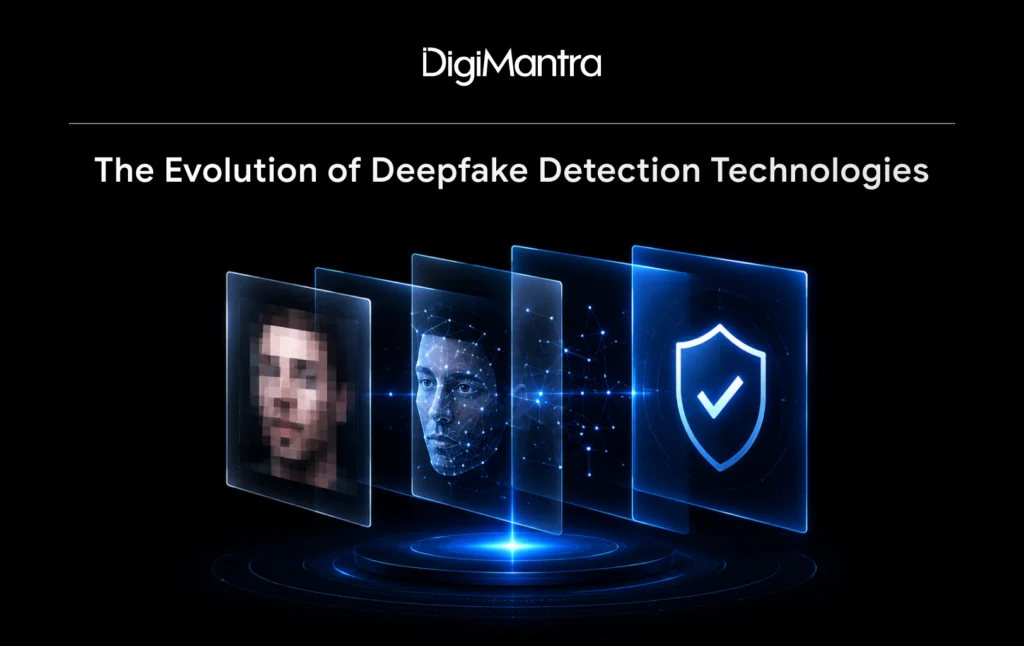
Early deepfake detection tools mainly looked for visual flaws like strange blinking, awkward facial movements, or image glitches. But now, modern AI-generated content has mostly avoided these issues. Because of that, deepfake detection systems in 2026 are advanced and use multiple layers to examine content from different angles at the same time.
Key Deepfake Detection Technologies in 2026
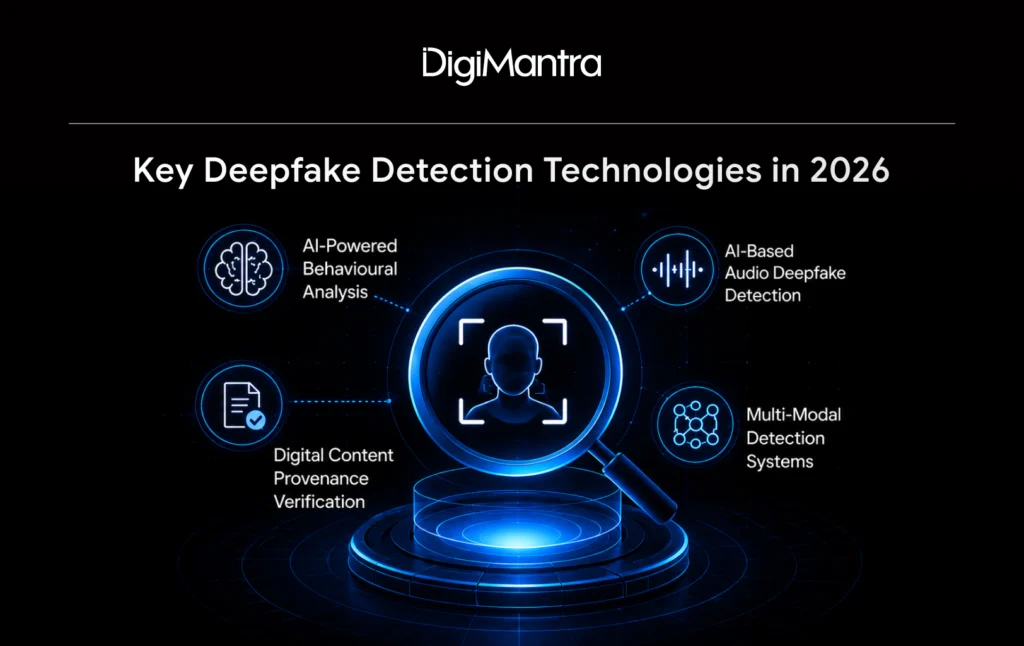
AI-Powered Behavioural Analysis
One of the best ways to spot deepfakes is by looking at how people behave, not just how they look. These systems check for things like:
- Small facial expressions.
- How people move their eyes.
- The way they speak, including timing and rhythm.
- Whether their emotions make sense.
- How they react naturally in different situations.
AI-made videos often have trouble copying the tiny, subtle ways people act in real life. By checking these behaviours, these systems can find clues that might be missed when just looking at the visuals.
Digital Content Provenance Verification
More and more organisations are using content provenance frameworks to track digital media from when it’s created all the way to when it’s shared. These systems keep a record of:
- Where the content came from.
- Any edits that have been made.
- Information about the device it was created on.
- Cryptographic signatures.
If someone has altered or created the content artificially, these provenance systems can show up inconsistences in its digital history.
This method changes the way we check for authenticity by focusing on verifying the content’s origin instead of analysing the content itself.
AI-Based Audio Deepfake Detection
Voice cloning technology is now one of the quickest- growing dangers in the world of deepfakes. Today’s advanced audio detection tools look at several things to figure out if a voice is real or fake.
They check things like how high or low the voice sounds, how someone breathes while talking, the way they speak and pause, unique sound patterns that are like a fingerprint, and whether the background noise matches what you would expect from a real person. These systems compare all these details to what is normally heard in real human speech to help spot fake audio more accurately.
Multimodal Deepfake Detection
In 2026, deepfake detection platforms are using more than one method to check for fake content. Rather than just looking at video or audio, these platforms check several things at the same time, including:
- Visual elements.
- Voice patterns.
- Text from the dialogue.
- File metadata.
- Behavioural cues.
By using this combination of methods, the systems become much better at identifying deepfakes. Attackers must trick all these different checks at once, which is harder to do.
Biometric Verification Systems
Organizations are combining biometric authentication with deepfake detection to protect important tasks and process. The examples include:
- Facial recognition validation.
- Voice biometrics.
- Behavioural biometrics.
- Liveness detection systems.
These technologies help tell the difference between real users and fake identities created by AI during the login or verification process
Real-Time Deepfake Monitoring
Many companies now use ongoing monitoring systems that check content as it happens during live interactions. These solutions are especially helpful for:
- Video conferencing platforms.
- Customer support services.
- Financial transactions.
- Remote identity checks.
- Telehealth appointments.
Checking content in real time allows organisations to spot and deal with deepfake threats before they cause harm.
Industries Most Affected by Deepfakes
Financial Services
Banks and fintech companies are dealing with rising threats from scams that use AI-created voices, fake transactions, and attempts to steal identities.
Healthcare
Heathcare providers need to confirm patient identities and keep medical communications safe from attacks where someone pretends to be another person using AI.
Media and Journalism
News organizations are under more pressure to check visual and audio content carefully before sharing it with the public.
Government and Public Sector
Governments are struggling to combat misinformation, interference in elections, and propaganda that is created using artificial intelligence.
Enterprise Organizations
Businesses are being targeted more often through fake impersonation schemes aimed at getting into systems or making illegal transfers.
Challenges in Deepfake Detection
Even though there has been a lot of progress, there are still several issues to deal with.
Fast AI Development
Detection tools often can’t keep up with the growing complexity of AI models that create fake content.
False Positives
Some detection systems are too strict and might mark real videos or images as fake.
Scalability Problems
Companies that handle a lot of digital content need detection tools that work well even when dealing with huge amounts of data.
Cross Platform Verification
Deepfake videos often appear on different platforms, which makes it hard to check them all from one place.
Best Practices for Organisations
For organisations handling sensitive information and high-value transactions, Enterprise Cybersecurity and Compliance Services can provide additional protection against emerging AI-powered threats. These services can help businesses strengthen security controls, improve identity verification, monitor digital risks, and maintain compliance while protecting critical systems and data.
As deepfake technology becomes more advanced, organisations need to go beyond just reacting to security threats and instead develop a strong digital trust strategy. The first step is to create solid processes for checking the authenticity of content. This ensures that important messages, approvals from executives, and digital assets are verified before any action is taken. Replying only on what seems real is not enough anymore because AI can now create convincing fake voices, faces and behaviours.
Organisations should also improve their methods for confirming identities by using several layers of verification. Important decisions, financial activities and access requests should not base on just one form of verification-like voice or video check. Using a mix of biometric checks, multiple verification steps, and analysing behaviour can greatly lower the risk of someone pretending to be someone else.
Lastly, organisations should keep a close watch on all their digital channels. Deepfake threats can spread quickly through social media, messaging apps, and online communities. Being proactive with monitoring helps businesses catch strange activity early, respond more quickly, and reduce the damage from misinformation or fraud. By combining strong technology, solid rules and policies and informed employees, organisations can build a better defense against the growing dangers of AI- generated fake content.
The Future of Deepfake Detection
The future of deepfake detection is expected to focus more on proving the realness of content rather than just identifying deepfakes.
Some new development include:
- Using cryptography to check if content is real.
- Using blockchain to verify media authenticity.
- Creating trust systems with AI.
- Implementing digital watermarking technology.
- Setting standards of secure content origins.
Instead of always trying to keep up with more advanced deepfakes, organsations will aim to build trust in digital content from the time it’s made.
Conclusion
As Generative AI gets stronger, deepfakes are going to keep making it harder for organisations to check the truth, confirm who someone is, and keep people trusting their information. By 2026, the big question is not whether companies will come across deepfake content it’s whether they are ready to spot and deal with it properly.
Businesses that use AI to detect deepfakes, check where digital content comes from, use biometric checks, and train their employees will be better off in handling these growing threats. Detecting deepfakes is quickly becoming a key part of how business protect themselves in the digital world. Companies that start building these defenses now will be more prepared to keep their reputation, customers and operations safe as AI continues to shape in future.
AI-FIRST ENGINEERING FOR MODERN BUSINESSES
Designed for performance. Powered by innovation.
 Product Development
- Custom Software
 Mobile & Web
- AI & Automation
- Cloud Management
- Intelligent Systems